
Your RAG Pipeline Is Only as Safe as Its Weakest Link
Retrieval-Augmented Generation unlocks powerful capabilities - but a misconfigured RAG system can leak sensitive documents, be manipulated through poisoned data, or expose your entire knowledge base. We help you build and audit RAG systems that are both capable and secure.
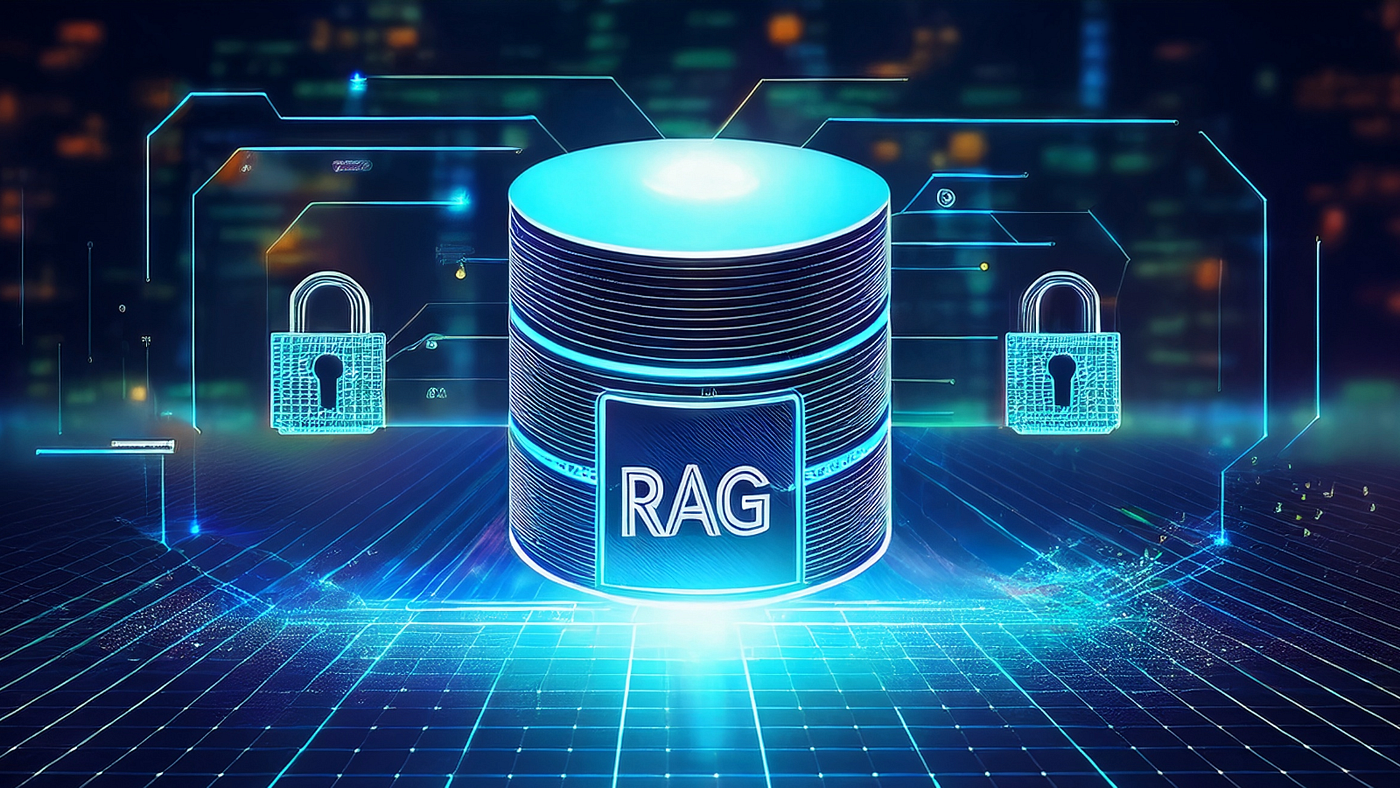
Why RAG Security Matters
RAG systems give AI direct access to your most sensitive business data - which also makes them a high-value target
Prevent Sensitive Document Leakage
A misconfigured RAG system can return confidential documents to users who shouldn't be able to see them - HR records, legal files, financial data, source code. We test every access boundary to ensure documents stay with the right people.
Block Data Poisoning Attacks
Anyone who can inject malicious documents into your knowledge base can influence every answer your RAG system gives. Our testing identifies and mitigates poisoning vulnerabilities before an attacker can exploit them to spread misinformation or manipulate decisions.
Build Trustworthy AI Applications
Users and enterprise customers need to trust that your AI assistant only shares what they're authorised to see and produces reliable, grounded responses. Our security work is the foundation for that trust.
What's Included
Comprehensive security coverage for every layer of your RAG implementation
RAG Architecture Security Review
We assess your end-to-end RAG architecture - from document ingestion and chunking, through embedding and indexing, to retrieval and generation - identifying security weaknesses at every stage that could be exploited by internal or external attackers.
Document Access Control & Authorisation Design
Ensuring only the right people retrieve the right documents is one of the hardest challenges in RAG security. We review and help design access control mechanisms that enforce document-level permissions at retrieval time - not just at ingestion.
Embedding & Vector Database Security
Vector stores are a new class of data infrastructure with their own attack surface: unauthorised access, data exfiltration via embedding inversion, and cross-tenant contamination in multi-tenant deployments. We assess your vector database configuration and access controls.
Data Poisoning & Retrieval Manipulation Testing
An attacker who can influence what documents enter your knowledge base can manipulate every response your RAG system produces. We test your ingestion pipeline for data poisoning vulnerabilities and your retrieval logic for manipulation attacks.
Output Filtering & Hallucination Containment
RAG systems don't eliminate hallucination - they redirect it. We assess your output filtering and grounding mechanisms to ensure the model relies on retrieved context, flags low-confidence responses, and doesn't fabricate information that could mislead users or create liability.
PII & Sensitive Data Exposure Assessment
Knowledge bases frequently contain PII, financial data, legal documents, and confidential IP. We identify whether sensitive data is appropriately protected - and whether it could be extracted by users who shouldn't have access to it.
Secure Chunking & Indexing Strategy
Poor chunking strategies can split sensitive content across chunks in ways that undermine access control logic. We review your chunking and indexing strategy to ensure it maintains document integrity, respects access boundaries, and doesn't create data leakage through partial context retrieval.
Our Assessment Methodology
A structured, pipeline-aware methodology for identifying RAG security vulnerabilities
Map the Pipeline
We document every component in your RAG stack - ingestion sources, processing pipeline, embedding model, vector store, retrieval logic, and generation layer. This map forms the basis for a targeted threat model specific to your architecture.
Test & Probe
We execute adversarial tests across all identified attack surfaces: access control bypass attempts, data poisoning via ingestion, retrieval manipulation, cross-user context leakage, PII extraction, and indirect prompt injection through retrieved documents.
Harden & Verify
We deliver a detailed findings report with severity ratings and developer-ready remediation steps, including architecture recommendations for issues that require structural changes. We re-test after fixes to confirm all vulnerabilities are resolved.
Why Choose IronProbe for RAG Security?
Built for teams building internal knowledge assistants, customer-facing RAG products, or any LLM application grounded in proprietary data.
Pipeline-Level Expertise
We understand RAG architectures in depth - from embedding strategies to vector store configurations to retrieval ranking. Our security work addresses the full pipeline, not just the surface layer.
Access Control Specialists
We've designed and broken document-level access control systems in RAG pipelines. We know where the common failure modes are and how to fix them definitively.
Clear Outcome
A RAG system that retrieves the right information, for the right people, without leaking what shouldn't be shared. We verify this outcome - not just document the path to it.
Frequently Asked Questions
Common questions about RAG security assessment
We work with all major vector stores including Pinecone, Weaviate, Qdrant, Chroma, pgvector, and Azure Cognitive Search. For RAG frameworks, we support LangChain, LlamaIndex, Haystack, and custom implementations. Our methodology is framework-agnostic - we focus on the security properties of the architecture rather than the specific libraries used.
Data poisoning in RAG occurs when an attacker introduces malicious documents into your knowledge base, either by exploiting weak ingestion controls, compromising a data source, or in some cases through user-uploaded content. Once poisoned, the RAG system will retrieve and use those malicious documents when responding to queries - potentially spreading misinformation, manipulating decisions, or introducing indirect prompt injection attacks. We test every pathway through which data enters your knowledge base.
This is one of the most common vulnerabilities we find. RAG systems typically fetch the most semantically relevant documents regardless of who's asking. Without explicit access control logic operating at retrieval time, a user may be able to retrieve documents they're not authorised to see simply by asking the right question. Multi-tenant RAG applications are particularly vulnerable to cross-tenant data leakage. We test for this systematically.
Both. For teams in the design phase, we offer security architecture consultancy - helping you make the right decisions on access control design, chunking strategy, vector store configuration, and ingestion pipeline hardening before you build. For teams with existing systems, we provide a security assessment that identifies what needs to change. In either case, we provide concrete, actionable guidance that directly informs your implementation.
Build a RAG System Your Users and Auditors Can Trust
Right information. Right people. No leaks. Let IronProbe assess and harden your RAG pipeline.
Get a Free RAG Security Assessment